
Threonine, an essential amino acid, is crucial for a variety of biological processes in the body. Since our organism cannot produce threonine on its own, it is necessary to ingest this amino acid through food. Threonine plays a central role in protein synthesis and supports important bodily functions, including intestinal health and the functioning of the immune system. Adequate intake is therefore essential to maintain health and effectively promote various physical functions.
What is Threonine?
Threonine is one of the essential amino acids, which means that our body needs it for important functions but cannot produce it itself. This amino acid must therefore be consumed through food. Threonine is not only essential for protein synthesis, but also a critical building block of many proteins and enzymes that work throughout our body.
In addition to its role in protein synthesis, threonine is crucial for the production of mucins and proteoglycans, which are necessary for lubricating the digestive tract and protecting the skin. It contributes to the normal function of the immune system by helping to form antibodies and supports liver function by promoting fat digestion and preventing the accumulation of fat in the liver.
Threonine is also involved in the regulation of the central nervous system and can help promote mental clarity and emotional balance.
What do we need threonine for?
Threonine is essential for several key functions in the human body:
support of digestion
Threonine is an essential component of mucins, the proteins that form mucus in the stomach and intestines. This mucus protects the mucous membranes and promotes healthy digestion.
immune system function
As a component of antibodies, threonine contributes directly to strengthening the immune system. It helps the body to effectively fight infections and diseases.
Collagen production
Threonine plays a role in the formation of collagen, an essential protein for skin, bones and connective tissue. This contributes to the overall health of these structures and to wound healing.
Neurological Health
Through its involvement in the synthesis of neurotransmitters, threonine supports the nervous system and can help regulate mood and cognitive function. Adequate levels of threonine are therefore essential for maintaining health and well-being.
A deficiency can lead to various health problems, including digestive disorders, weakened immune systems, poor skin health, and impaired mental status.
Symptoms of Threonine Deficiency
A deficiency in threonine can lead to a number of health problems, as this amino acid is needed for many important body functions. Possible symptoms and consequences of a threonine deficiency include:
digestive problems
Since threonine contributes to the production of mucins that protect the mucous membranes, a deficiency can lead to impaired protective function of the digestive tract and thus to digestive problems.
weakening of the immune system
Threonine is important for the formation of antibodies. A deficiency can therefore weaken the immune system and increase susceptibility to infections.
Slower wound healing
Threonine’s involvement in collagen production means that a deficiency can slow down the healing processes of the skin and other tissues.
Impaired mental functions
Inadequate threonine levels can also affect the production of certain neurotransmitters, which can lead to mood swings and reduced cognitive performance.
It is therefore important to ensure adequate dietary intake of threonine to avoid these negative effects. For people who struggle to get enough threonine from their diet, Daminoc® may be a valuable supplement. This product contains threonine along with other essential amino acids to support overall health and well-being.
Which foods contain particularly high levels of threonine?
A balanced diet rich in threonine-containing foods can help meet your needs for this essential amino acid. Here are some excellent food sources of threonine:
Animal sources
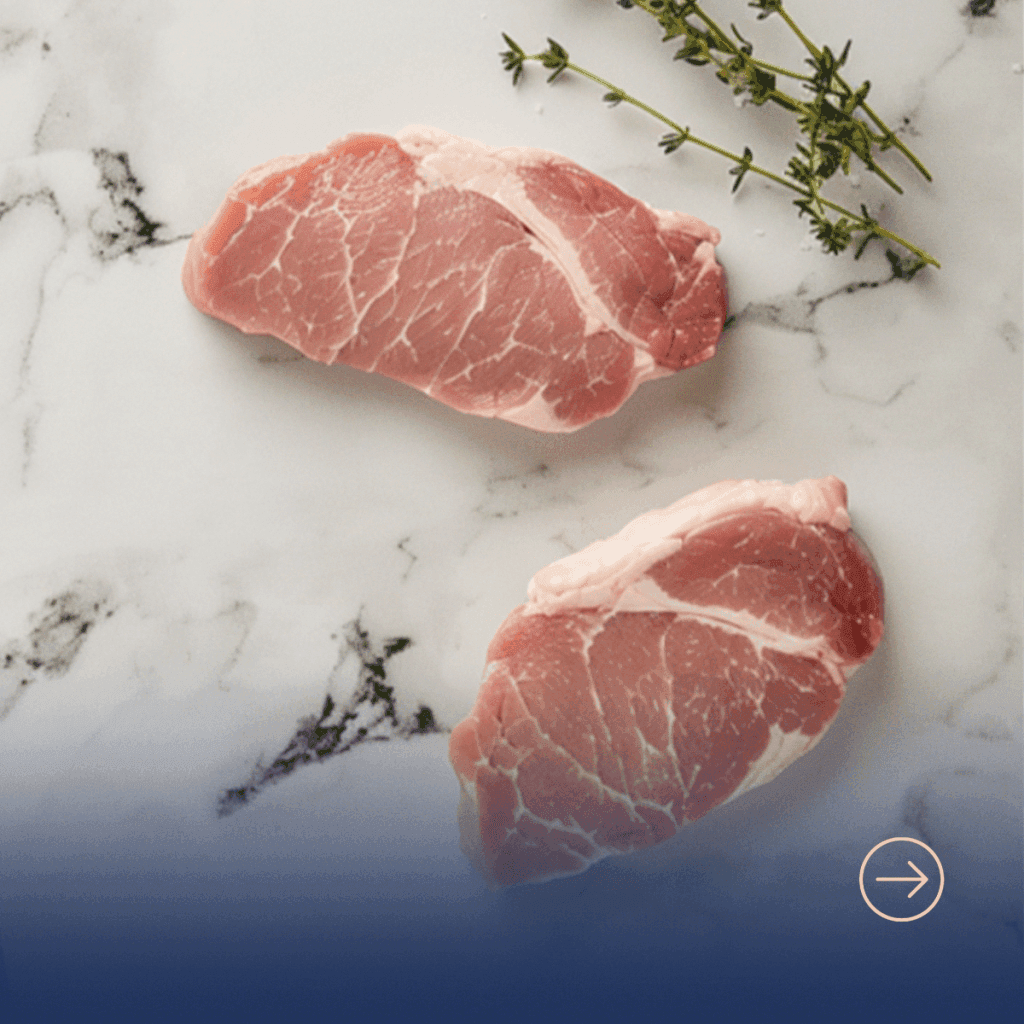
- Meat: Beef, pork and chicken are excellent sources of threonine.
- Fish: Salmon, tuna and cod in particular are rich not only in omega-3 fatty acids but also in threonine.
- Eggs: They provide all essential amino acids, including threonine.
- Dairy products: Cheese and yogurt are also good sources of threonine.
Plant sources
- Soy products: Tofu, soy milk and soybeans are particularly rich in threonine and are an important source for vegetarians and vegans.
- Legumes: Lentils, black beans and chickpeas are good plant-based sources of threonine.
- Nuts and seeds: Peanuts, almonds and sesame seeds also provide significant amounts of threonine.
Regular consumption of these foods can help meet your threonine needs and support the health of your digestive system, skin and immune system.
Conclusion
Threonine plays a central role in a variety of bodily functions, from supporting digestion and immune function to wound healing. Since the body cannot produce threonine on its own, adequate dietary intake is crucial to avoid deficiency symptoms. A balanced diet rich in threonine-containing animal and plant products not only supports the specific functions that threonine performs in the body, but also contributes to a healthy and balanced lifestyle. For those who want to ensure they are getting a full spectrum of essential amino acids, Daminoc® can be a valuable supplement. This supplement provides a balanced blend of all the essential amino acids necessary to promote health and support overall well-being.