
Arginine is a semi-essential amino acid that plays a central role in various biological processes in the human body. Normally, arginine can be produced sufficiently in the body, but under certain conditions, such as intensive growth, recovery from illness or severe physical stress, it becomes essential. This means that at such times it must be additionally ingested through food to meet the body’s needs. Arginine is best known for its effect on the cardiovascular system by contributing to the formation of nitric oxide, which dilates the blood vessels and thus improves blood flow. For optimal supply, the integration of Daminoc® can be helpful, as it provides all essential amino acids in a form that can be quickly absorbed by the body, which can be particularly supportive in times of increased need, such as intensive growth or recovery from illness.
What is arginine?
Arginine is known as a semi-essential amino acid that is synthesized by the body in sufficient quantities under normal circumstances, but must be additionally supplied through the diet when there is an increased need, such as during growth phases, illness or intense training. This amino acid plays an important role in many physiological processes.
One of the main contributions of arginine is its function in the synthesis of nitric oxide (NO), a crucial molecule for vasodilation. This property makes it particularly valuable for supporting the cardiovascular system. Nitric oxide helps dilate blood vessels, which improves blood flow and lowers blood pressure.
In addition, arginine is important for the immune system as it promotes healing, supports tissue growth and repair, and helps eliminate ammonia from the body. Hormonal function, including the release of growth hormones, also benefits from arginine.
What do we need arginine for?
Arginine fulfills numerous important functions in the human body that have a positive effect on various health aspects:
cardiovascular health
By producing nitric oxide, arginine helps dilate blood vessels, which can lower blood pressure and improve overall cardiovascular function. This is especially important for preventing heart disease.
immune system and wound healing
Arginine plays a crucial role in immune defense by promoting healing and supporting T-cell function in the body. It is also involved in the formation of collagen, which is essential for wound healing and maintaining strong and healthy skin.
promoting kidney function
Arginine helps remove ammonia from the body through the urea cycle, which is a crucial function in maintaining healthy kidney function.
support of the hormonal system
It stimulates the release of growth hormones and other important substances such as insulin and glucagon, which are of great importance for metabolism.
muscle building and recovery
For athletes and people who are regularly physically active, arginine provides support in building muscle and recovering after training.
Adequate intake of arginine is therefore crucial for a variety of bodily functions and overall health. A deficiency can lead to various health problems, including poor cardiovascular health and a weak immune response.
Symptoms of Arginine Deficiency
A deficiency in arginine can cause various health problems because it plays a central role in so many bodily processes:
cardiovascular problems
Because of arginine’s key role in the production of nitric oxide, a deficiency can lead to limited vasodilation, which can increase blood pressure and increase the risk of heart disease.
weakening of the immune system
Arginine is important for the function and growth of T cells, which are an essential part of the immune system. A deficiency can impair the body’s ability to fight infections and heal wounds.
Reduced wound healing
Because arginine contributes to collagen production, a deficiency can slow the healing process of tissue and skin.
growth disorders
In children, an arginine deficiency can inhibit growth because the amino acid is important for the release of growth hormones.
fatigue and weakness
Inadequate arginine levels can lead to reduced nitric oxide production, which in turn impairs blood circulation and can lead to fatigue and general weakness.
Ensuring adequate arginine intake is therefore crucial to avoid these potential deficiencies and their effects.
Which foods contain particularly high levels of arginine?
A balanced diet rich in arginine-containing foods can help meet your needs for this semi-essential amino acid. Here are some excellent food sources of arginine:
Animal sources
- Meat: Turkey, chicken and pork are particularly rich in arginine.
- Fish: Salmon, tuna and other types of fish also offer high amounts of arginine.
- Eggs: They contain all essential amino acids, including arginine.
- Milk and yogurt: These products are not only good sources of calcium, but also rich in arginine.
Plant sources
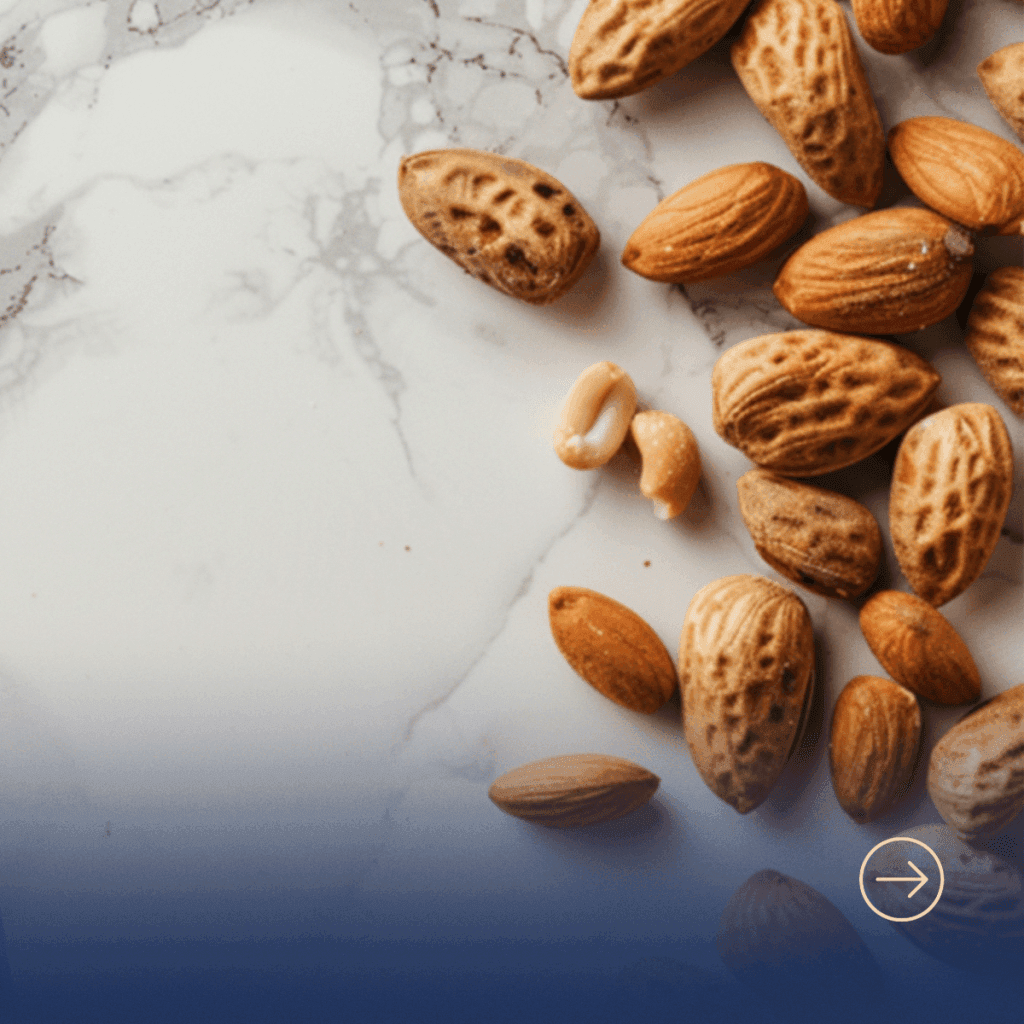
- Nuts and seeds: Peanuts, walnuts, almonds and pumpkin seeds are excellent sources of arginine.
- Legumes: Soybeans, lentils and chickpeas also contain significant amounts of arginine.
- Grains: Whole grains such as oats and wheat are also good sources of arginine.
By incorporating these foods into your daily diet, you can help meet your arginine needs and reap the health benefits associated with it.
Conclusion
Arginine, as a semi-essential amino acid, is crucial for many key functions in the body, including cardiovascular health, immune defense, wound healing and hormone regulation. Especially during times of growth, illness or intense physical stress, the need for arginine can increase, making additional intake through the diet necessary.
Through its role in the production of nitric oxide, arginine supports the dilation of blood vessels, improves blood flow and lowers blood pressure, which contributes significantly to the prevention of heart disease. It also promotes a strong immune system and efficient wound healing processes, supports kidney function by removing ammonia and helps with muscle building and recovery after exercise. Daminoc® ideally complements these processes by providing a complete supply of all essential amino acids, which maximizes the effectiveness of arginine in the body and thus contributes to overall health promotion.
Regular consumption of arginine-rich foods such as meat, fish, eggs, nuts, legumes and dairy products can help meet daily requirements and reap the benefits of this important amino acid. A balanced diet rich in arginine not only supports specific body functions, but also contributes to overall well-being and improved quality of life.