
Carnitine is an important nutrient that plays a significant role in energy production and fat metabolism. It is often praised in the health and fitness world for its ability to help burn fat and improve physical performance. In this article, we will discuss the basics of carnitine, its functions in the body, the health benefits and the best sources and dosage recommendations.
What is carnitine?
Carnitine is a compound that is synthesized from the amino acids lysine and methionine. There are two forms of carnitine: L-carnitine, the active form, and D-carnitine, the biologically inactive form. L-carnitine is the form found in food supplements and in nature.
The body can produce carnitine itself in the liver and kidneys, but it is also absorbed through food. Natural sources of carnitine are mainly animal products such as meat and dairy products. Plant foods contain only small amounts of carnitine, which is why vegetarians and vegans may have lower levels of carnitine in their bodies.
Carnitine is not a classic amino acid, but it is often mentioned together with amino acids because it is formed from amino acids and has important functions in the body. It plays a crucial role in energy metabolism by transporting fatty acids into the mitochondria of the cells, where they are burned to produce energy.
Functions of carnitine in the body
Carnitine performs several important functions in the body, mainly related to energy metabolism and fat burning.
Transport of fatty acids into the mitochondria: The most important function of carnitine is the transport of long-chain fatty acids into the mitochondria, the power plants of the cells. In the mitochondria, these fatty acids are oxidized to produce energy in the form of adenosine triphosphate (ATP). Without sufficient carnitine, the fatty acids cannot effectively enter the mitochondria and be used to produce energy.
Supporting the energy metabolism: By supporting the oxidation of fatty acids, carnitine contributes to the body’s general energy production. This is particularly important during physical exertion when energy requirements increase. Carnitine helps to maximize energy production and improve endurance.
Role in detoxification and antioxidant defense: Carnitine also plays a role in detoxification and antioxidant defense in the body. It helps to remove toxic metabolic products and protects cells from oxidative stress caused by free radicals. This contributes to overall health and cell function.
Improving health and performance with carnitine
Carnitine offers numerous health benefits, particularly in the area of fat burning and physical performance.
Improved fat burning and weight management: By transporting fatty acids into the mitochondria, carnitine supports fat burning. This can help with weight loss as the body uses fat more efficiently as an energy source. Studies have shown that increased carnitine intake can increase fat metabolism and reduce body fat mass, especially when combined with regular exercise.
Supporting heart health: Carnitine plays an important role in supporting heart health. It improves energy production in heart muscle cells and can help strengthen heart function. Some studies have shown that carnitine can reduce the risk of heart disease by improving energy availability to the heart and reducing the formation of plaques in the arteries.
Improving physical performance and endurance: By supporting energy metabolism, carnitine can improve physical performance and endurance. Athletes and fitness enthusiasts often take carnitine to increase their training intensity and shorten recovery time. Carnitine can reduce muscle fatigue and speed recovery after intense workouts by reducing muscle tissue breakdown and supporting repair processes.
Carnitine in the diet
Natural sources of carnitine:
Carnitine is mainly found in animal products. Here are some of the best natural sources of carnitine:
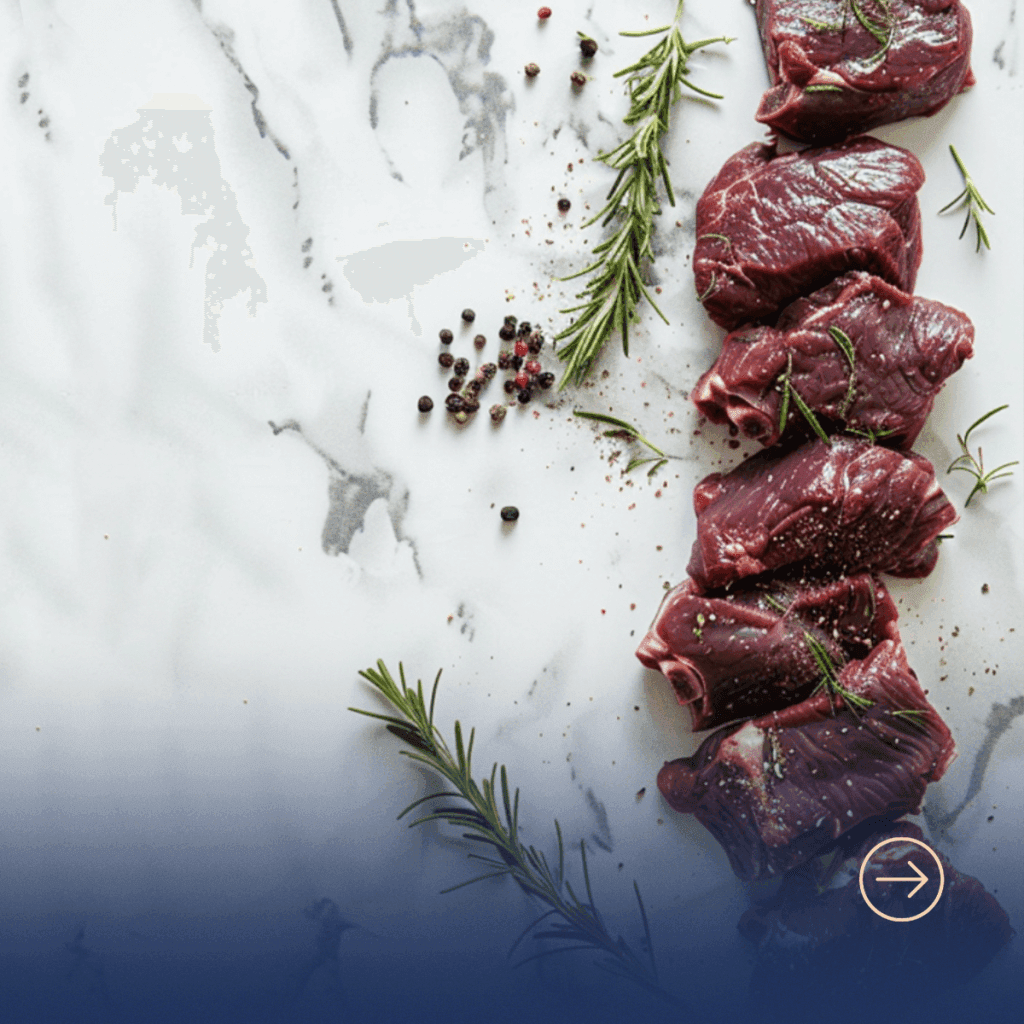
- Meat: Red meat, such as beef and lamb, is particularly rich in carnitine.
- Poultry: Chicken and turkey meat also contain significant amounts of carnitine.
- Fish: Fish species such as cod and salmon are good sources of carnitine.
- Dairy products: Milk, cheese and yogurt also contain small amounts of carnitine.
Plant-based foods only contain small amounts of carnitine, which is why vegetarians and vegans may have lower carnitine levels in their bodies. This group can therefore benefit from supplementation.
Differences between different forms of carnitine: There are several forms of carnitine available as dietary supplements:
- L-carnitine: This is the most commonly used form and is often investigated in studies. It is known for its high bioavailability and effectiveness.
- Acetyl-L-carnitine (ALCAR): This form is often prized for its potential benefits to brain function and cognitive health. It can cross the blood-brain barrier and is therefore often used to support mental clarity and concentration.
- Propionyl-L-carnitine: This form is often used to support heart health as it can improve blood flow and heart function.
Food supplements: forms, dosage and recommended intake: The recommended dosage of L-carnitine is usually 500 to 2,000 milligrams per day, depending on individual needs and health goals. Acetyl-L-carnitine is often taken in doses of 600 to 2,500 milligrams per day. It is recommended to take carnitine supplements with meals or before exercise for best results.
Safety and side effects
Carnitine is considered a safe dietary supplement when taken in the recommended doses. Short and long-term studies have shown that carnitine does not cause serious side effects. However, some people may experience mild side effects, which are usually temporary and harmless.
Possible side effects and how to avoid them: Rare side effects of carnitine include gastrointestinal discomfort such as nausea, abdominal cramps and diarrhea. These side effects often occur at higher dosages. To avoid these problems, it is recommended to divide the daily dose into smaller portions and take them throughout the day.
Interactions with other supplements and medications: There are no known negative interactions between carnitine and most other supplements or medications. It can be safely used in combination with other supplements such as omega-3 fatty acids or coenzyme Q10. However, as with any supplement, it is advisable to consult a doctor if you are taking other medications or have health concerns.
Conclusion
Carnitine is a versatile and well-researched nutrient that offers numerous benefits for fat burning, heart health and physical performance. It supports the transport of fatty acids into the mitochondria, improves energy production and helps to reduce muscle fatigue. Carnitine is abundant in meat and dairy products, but can also be effectively obtained through dietary supplements. When taken at the recommended dosages and taking individual health conditions into account, carnitine is a safe and effective supplement for anyone looking to improve their athletic performance and health.