
Leucine, one of a total of ten essential amino acids, plays an irreplaceable role in our body. This amino acid, which we cannot produce ourselves, must therefore be ingested through food. As part of the branched-chain amino acids (BCAAs) – alongside isoleucine and valine – leucine stands out in particular. It is not only a building block of proteins, but a true multitasker in our metabolism.
Leucine’s ability to support protein biosynthesis makes it an important ally for anyone who wants to build and maintain muscle. But it’s not just about muscles; leucine also helps regulate our blood sugar levels, repair tissue and boost the production of growth hormones. What makes leucine special is its direct role in the activation of mTOR, a signaling pathway that is crucial for regulating cell growth. This mechanism not only helps us recover after an intense workout, but also promotes the formation of new muscle proteins. To get the most out of leucine’s benefits, taking a specialized supplement like Daminoc® can be crucial. Daminoc® provides a targeted dose of leucine to support muscle recovery and growth, especially after training.
But leucine is more than just a muscle booster. It is a fine example of how our body functions in complex ways and a testament to the importance of a balanced diet that provides our body with the necessary building blocks.
What do we need leucine for?
Leucine is a true powerhouse among amino acids and plays a key role in various bodily functions that go far beyond muscle building. Its versatility in our metabolism makes it an indispensable part of a healthy diet and an active lifestyle.
Muscle building and recovery Perhaps the most well-known benefit of leucine is its ability to promote muscle building. By activating the mTOR pathway, leucine effectively supports protein biosynthesis, resulting in faster and more efficient recovery and building of muscle mass. This makes it particularly valuable for athletes and anyone who is physically active.
Metabolism and energy production
Leucine also plays a crucial role in energy metabolism by helping to regulate blood sugar levels and serving as an energy source for muscle cells, especially during intense physical activity or periods of fasting.
Immune system support
In addition, leucine helps strengthen the immune system. It supports the production of antibodies and promotes immune system health, which helps us to be more resistant to disease.
Nervous system health
Leucine also has a positive effect on the health of our nervous system. Leucine is believed to have neuroprotective effects and can therefore help protect nerve cells. In summary, leucine is much more than just a building block for muscles. It supports a wide range of bodily functions that are central to our health and well-being. Getting enough leucine through diet or, where appropriate, supplements is therefore important for anyone who wants to optimize their physical performance and health.
Which foods contain particularly high amounts of leucine?
A balanced diet is the key to meeting leucine needs. Here is a list of foods that are particularly rich in leucine, with the leucine content per 100 grams:
animal products
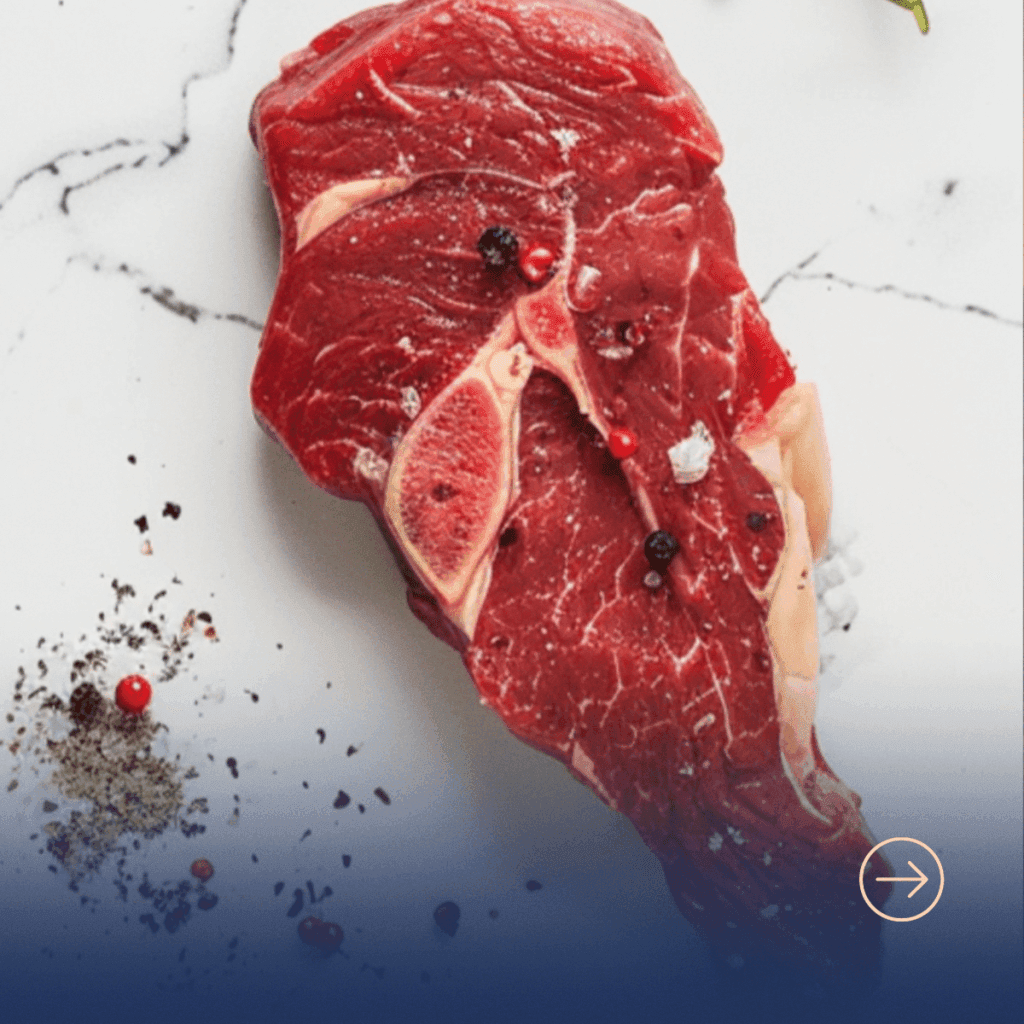
- Beef steak: Contains about 1.5 grams of leucine per 100 grams. An excellent source of high-quality protein and essential amino acids.
- Chicken breast: Provides around 1.4 grams of leucine per 100 grams. Known for its high protein content and as a lean protein source.
- Salmon: About 1.15 grams of leucine per 100 grams. Salmon is a good source of omega-3 fatty acids and leucine.
- Eggs: About 1.0 grams of leucine per 100 grams, which is about 0.5 grams of leucine per large egg. Eggs are a complete source of essential amino acids.
Plant sources
- Soybeans: Provide about 1.15 grams of leucine per 100 grams. Soybeans and products made from them such as tofu and tempeh are excellent plant-based sources of protein.
- Lentils: About 0.65 grams of leucine per 100 grams. Lentils are not only high in protein, but also full of fiber.
- Peanuts: About 0.6 grams of leucine per 100 grams. Peanuts are a good plant-based source of leucine and also contain healthy fats.
dairy products
- Parmesan: About 0.7 grams of leucine per 100 grams. Parmesan and other hard cheeses are known not only for their taste, but also for their high protein and leucine content. This information will help you get an idea of which foods are particularly rich in leucine and can help you meet your daily leucine needs. A varied diet rich in different protein sources supports a balanced intake of all essential amino acids.
Conclusion
Leucine is an essential amino acid that is essential for muscle building, recovery and energy metabolism. A balanced diet rich in leucine-containing foods such as meat, fish, eggs, soybeans, lentils, peanuts and parmesan cheese can meet daily requirements and support overall health. For those who want to specifically optimize their leucine levels, Daminoc® offers an effective way to supplement the intake of this important amino acid. A diverse protein source is key to not only meeting leucine requirements, but also ensuring the intake of all other essential amino acids that are crucial for physical well-being.