Glycine – everything you need to know
Glycine is the smallest protein-forming amino acid and takes part in many metabolic pathways. The body uses it for its own proteins and to make other compounds,

Glycine is the smallest protein-forming amino acid and takes part in many metabolic pathways. The body uses it for its own proteins and to make other compounds,
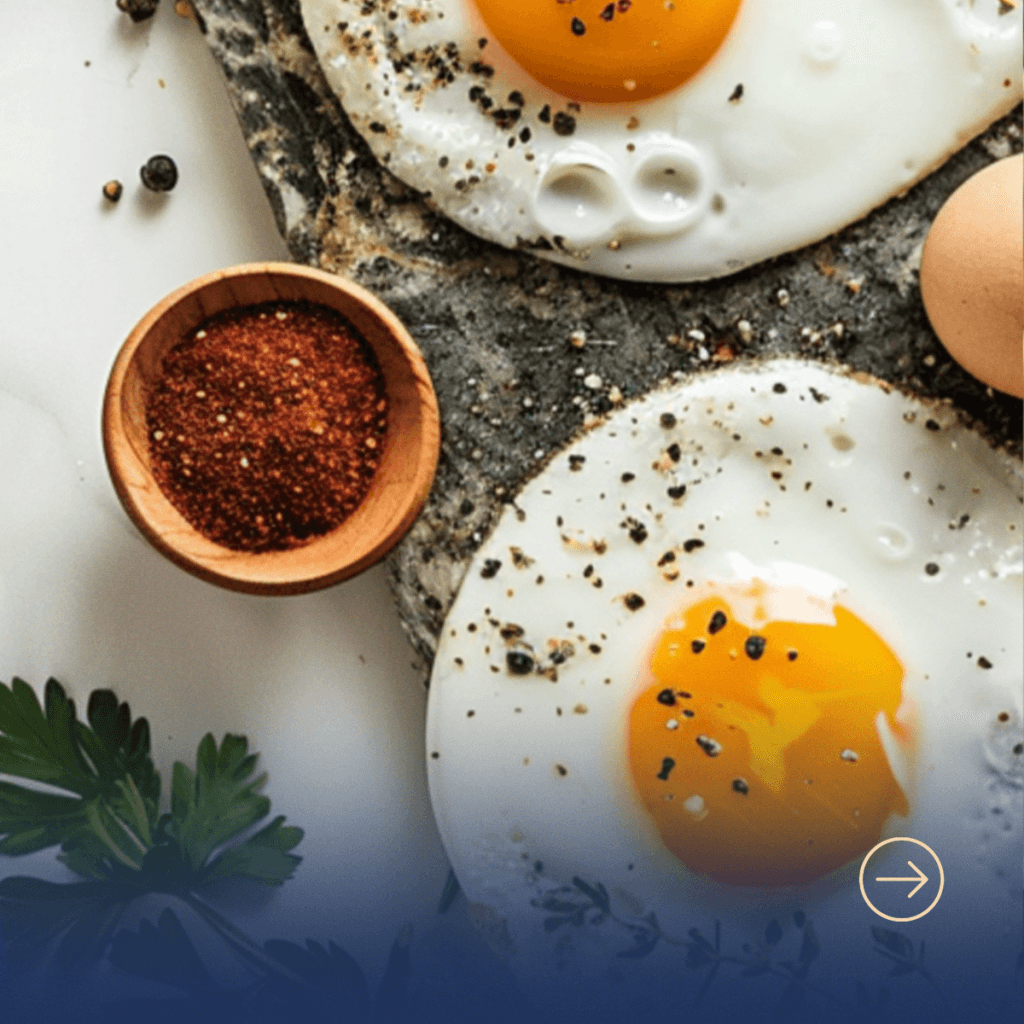
Glutamic acid is a protein-forming amino acid closely connected to nitrogen and energy metabolism. Its predominant form in the body is called glutamate. It also has important
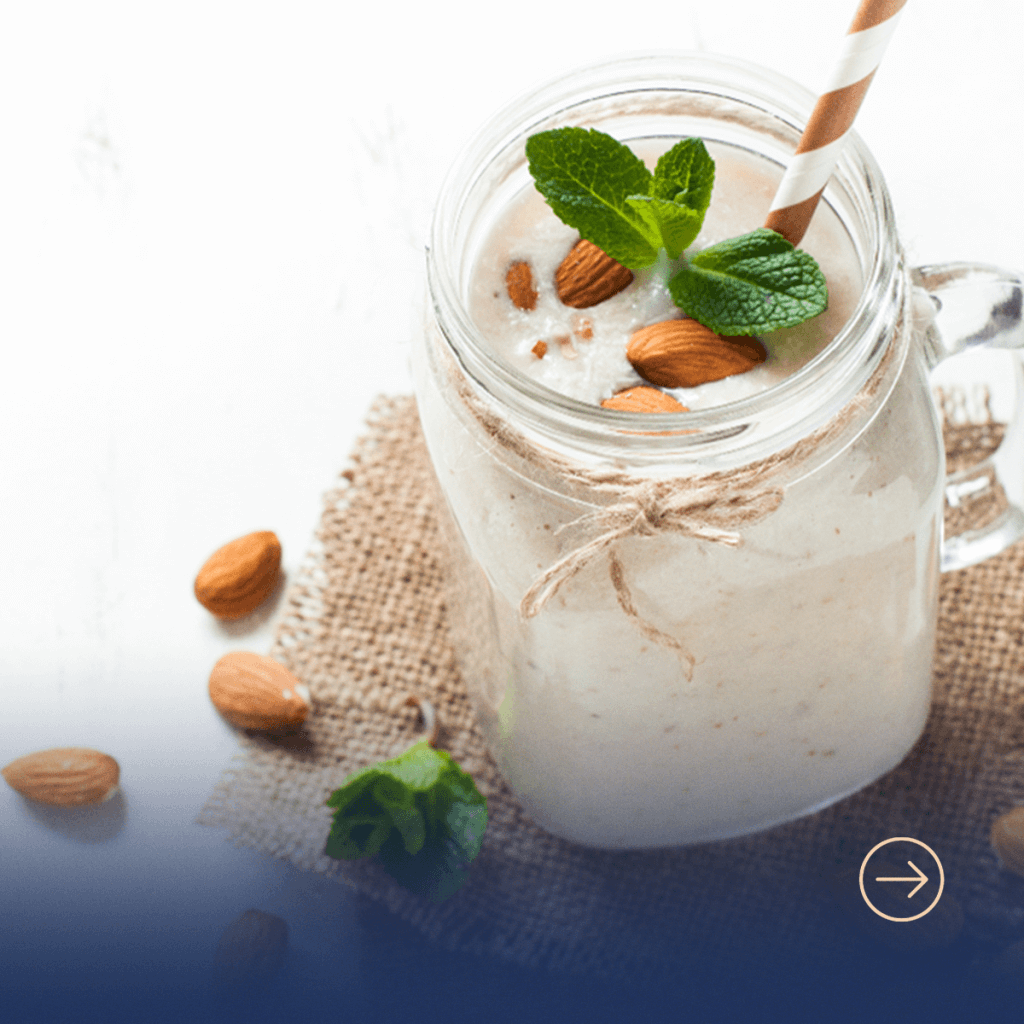
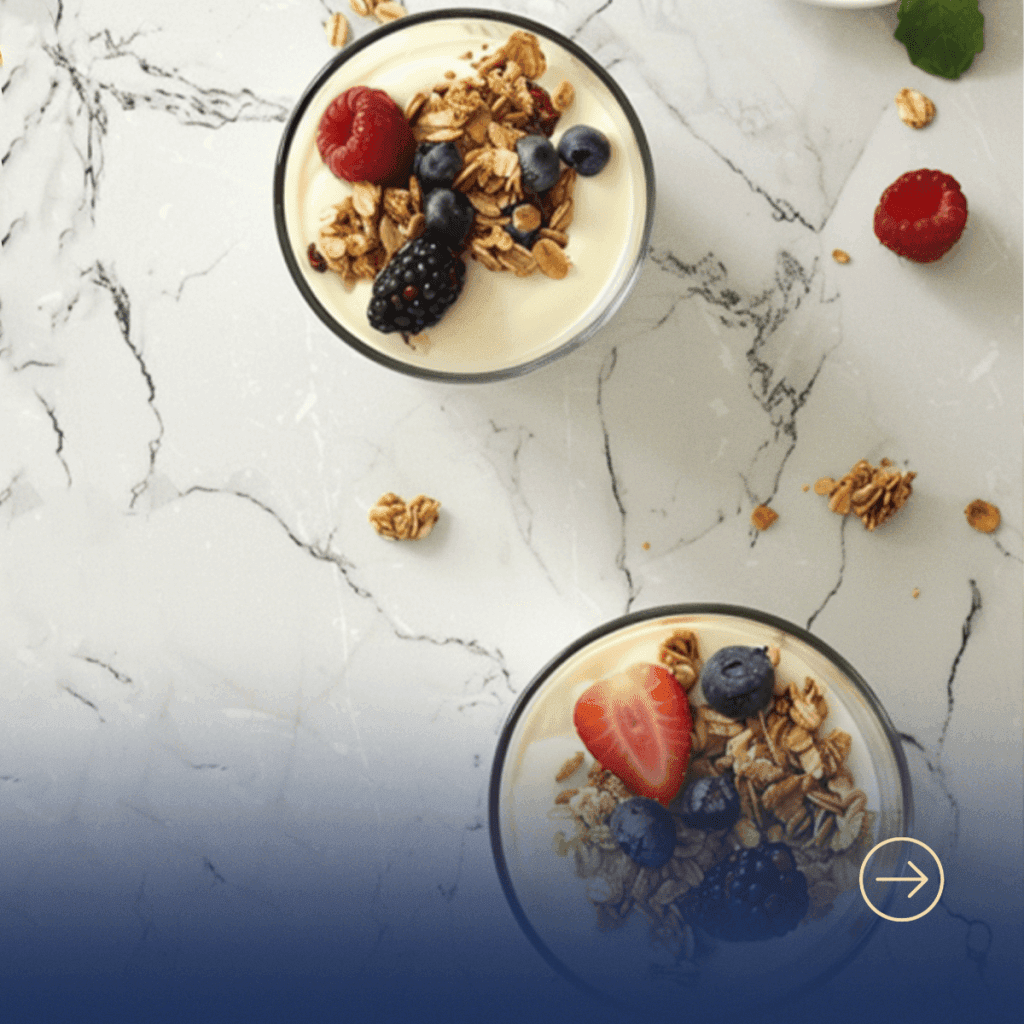
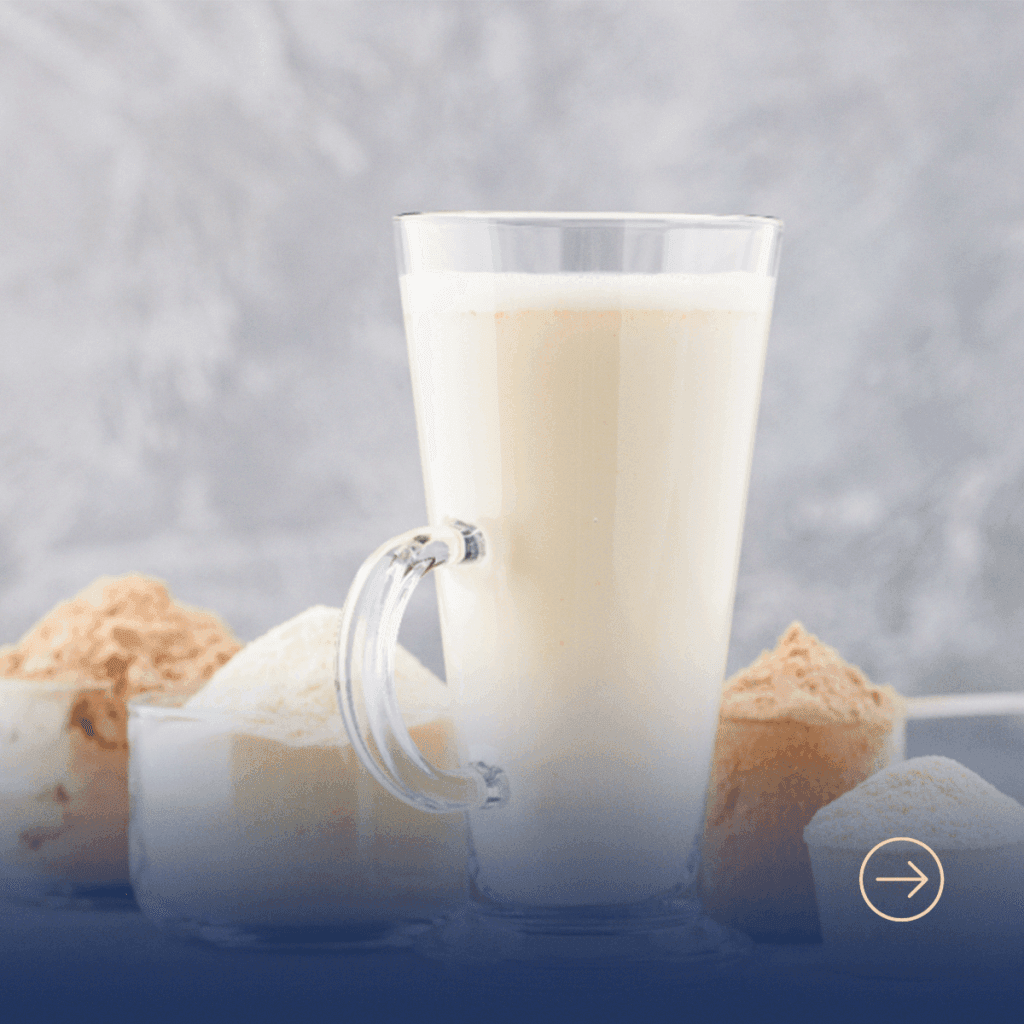
A protein shake can be more varied than powder mixed with water. Dairy products, suitable plant drinks, fruit, oats, nuts and seeds give you plenty of options.
Aspartic acid is one of the amino acids the body uses to build proteins. It also takes part in nitrogen processing and energy metabolism. Unlike essential amino
Asparagine is one of the amino acids the body uses to build proteins. Humans can normally make this building block themselves. It still matters for cells and
Glutamine is an amino acid the body uses to build proteins and for many other metabolic processes. The body can normally make it itself. Its roles in

Alanine is an amino acid used to build proteins and to connect nitrogen with carbohydrate metabolism. The body can produce it itself. Its role becomes particularly clear
Tyrosine is a protein building block and a starting material for important chemical messengers, thyroid hormones and the pigment melanin. The body can normally make this amino
Arginine is a protein building block and a starting material for nitric oxide, a signalling molecule involved in blood vessel regulation. The body can normally make this
Insect protein is an animal-derived protein source that still feels unfamiliar to many people in Europe. Edible insects have long been part of diets in other regions.