

A protein shake can be more varied than powder mixed with water. Dairy products, suitable plant drinks, fruit, oats, nuts and seeds give you plenty of options. Here are ten ideas for breakfast, a snack and around training. Ingredients and serving size matter: one protein shake does not automatically meet your entire daily requirement. [1, 2]
What goes into a protein shake?
Protein supplies amino acids for the body’s own proteins. Milk, quark and soy products can contribute to this supply in a protein shake. Check the nutrition labels on plant drinks because their composition varies considerably. Replacing milk with almond drink does not automatically provide equivalent nutrition. If you regularly replace dairy, also consider calcium, iodine, vitamin B12 and riboflavin. [1, 2]
Protein powder is one possible ingredient, not a requirement for every shake. Where powder is included below, weighed amounts replace an undefined scoop. Follow the relevant manufacturer’s instructions too. Without specified brands and exact fruit weights, these recipes deliberately make no promises of precise protein or calorie values. [2, 3]
Before you start
Serving numbers suggest how to divide each recipe; they do not define your personal needs. Taste the sweetness of the fruit before adding optional syrup or honey. Adjust liquid and texture for your blender. The photos illustrate serving ideas and flavors; ingredients and appearance may differ.
Wash fresh fruit, vegetables and spinach thoroughly under running water and use clean equipment. Heat frozen berries thoroughly throughout, boil them well, then cool promptly before blending. Simply thawing them is not enough. Prepare your protein shake fresh where possible and keep it refrigerated until you drink it. [4, 5]
A protein shake for breakfast
The first three recipes combine a liquid base with protein powder. Whether a protein shake is enough for breakfast depends on the serving, your other meals and your needs, not the recipe name.
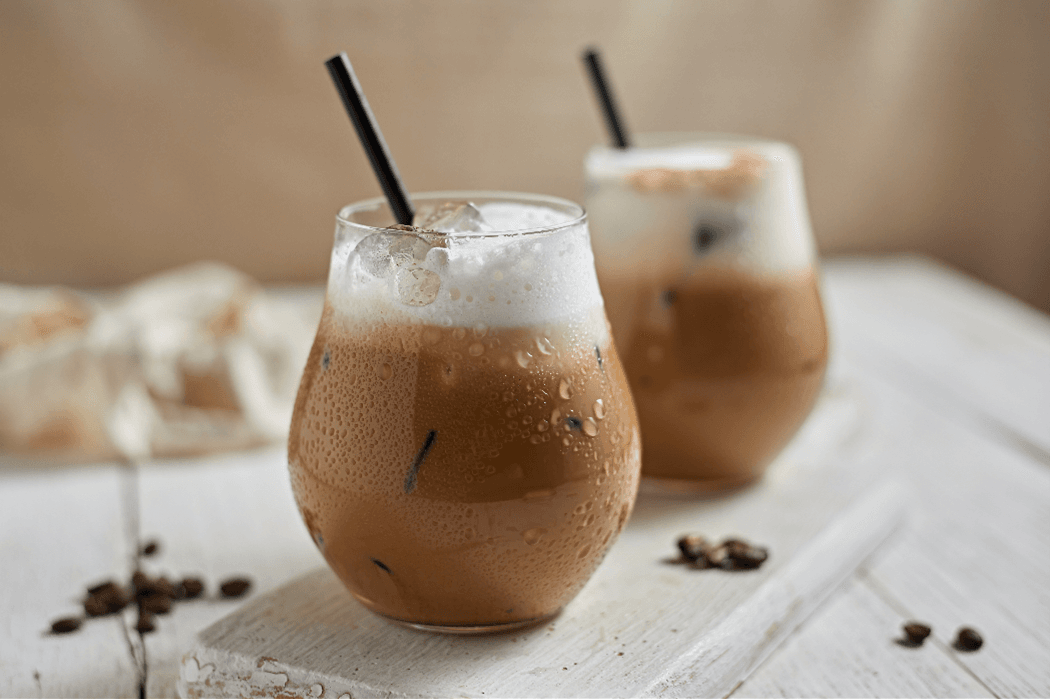
1. Protein Schokochino
Ingredients for 1 serving
- 200 ml milk or unsweetened soy drink
- 100 ml cooled coffee, decaffeinated if preferred
- 30 g protein powder of your choice
- 1 banana
- 1 tsp cocoa powder
- optional: 1 tsp maple syrup
Method: Blend until creamy. For a vegan protein shake, use soy drink and protein powder explicitly labeled vegan. Maple syrup is already plant-based.
2. Very Berry Protein Smoothie
Ingredients for 2 servings
- 350 ml milk or unsweetened soy drink
- 30 g vanilla protein powder
- 120 g strawberries
- 60 g raspberries
- 120 g blueberries
- 60 g blackberries
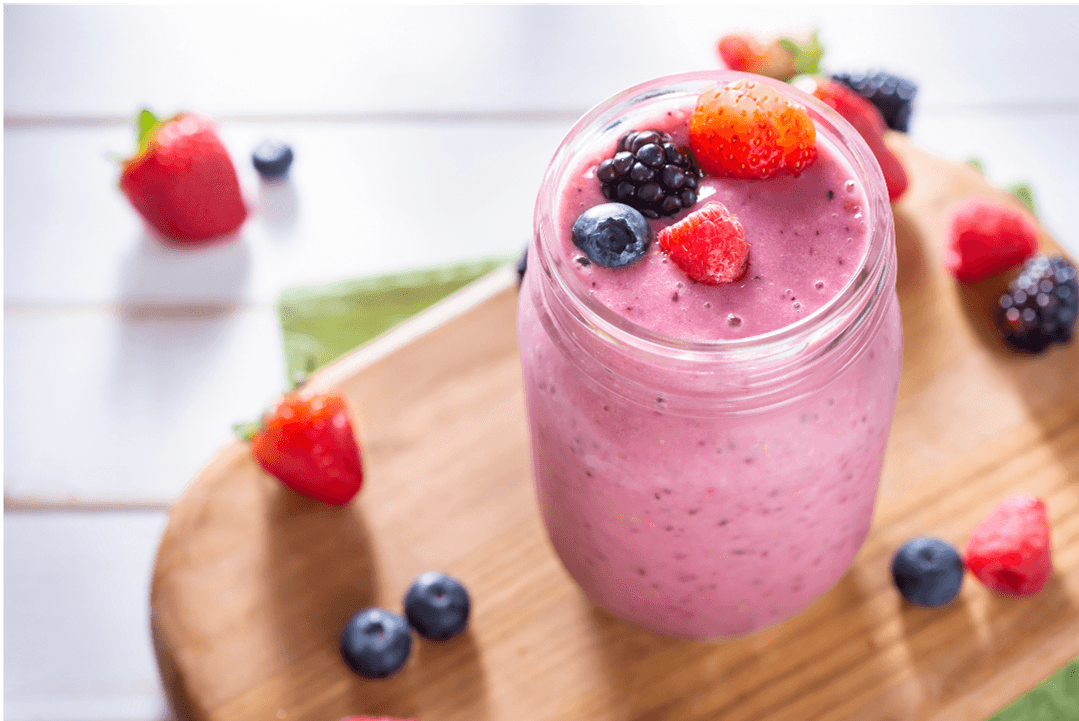
Method: Wash fresh berries. Boil frozen berries thoroughly and cool promptly as explained above. Blend everything and divide between two glasses. For the vegan version, choose plant-based powder too.
3. Porridge Protein Shake
Ingredients for 1 serving
- 200 ml milk or unsweetened soy drink
- 30 g fine rolled oats
- 2 pitted dates
- 10 g hazelnuts
- 30 g protein powder of your choice
- 1 tsp chia seeds
- cinnamon to taste
- a little water if needed
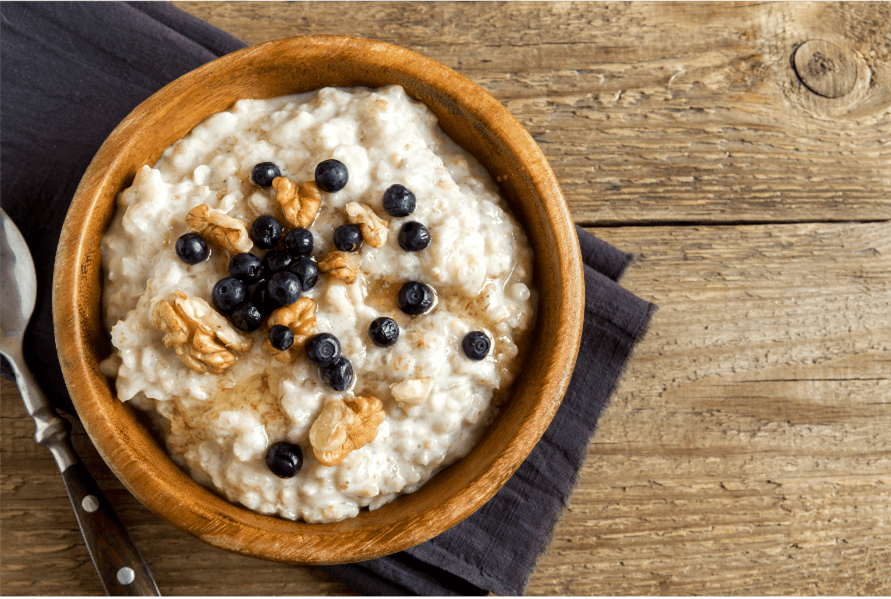
Method: Let the oats and chia seeds soak in the liquid, then blend thoroughly with the other ingredients. Add water to adjust the texture. The existing porridge photo illustrates the flavor, not the finished blended protein shake.
Smoothies around training
A pre-training drink needs to suit the activity and your tolerance. Neither a fixed one-hour interval nor a particular recipe guarantees better performance. The next two smoothies offer fruit-and-vegetable variety, but their basic versions are not specifically protein-rich recipes. Overall nutrition and intake suited to training matter. [1, 3]
4. Green Smoothie with Apple and Banana
Ingredients for 2 servings
- 60 g baby spinach
- 400 ml unsweetened almond drink
- 1 apple, cored and chopped
- 1 banana
- 30 g rolled oats
- 1/2 tsp cinnamon
- optional: 150 g skyr or a soy yogurt alternative
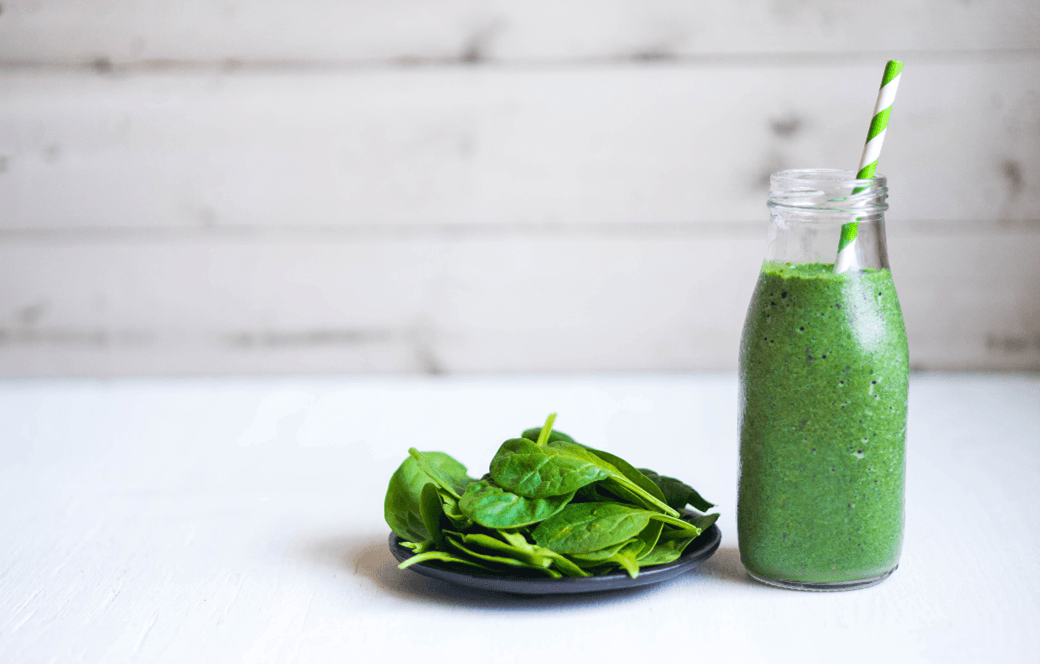
Method: Wash the fruit and spinach, then blend everything. Without an added protein source, this green smoothie is not automatically a protein-rich shake. You can add skyr or a soy alternative for more protein and compare their nutrition labels. Coconut oil is not needed in this recipe.
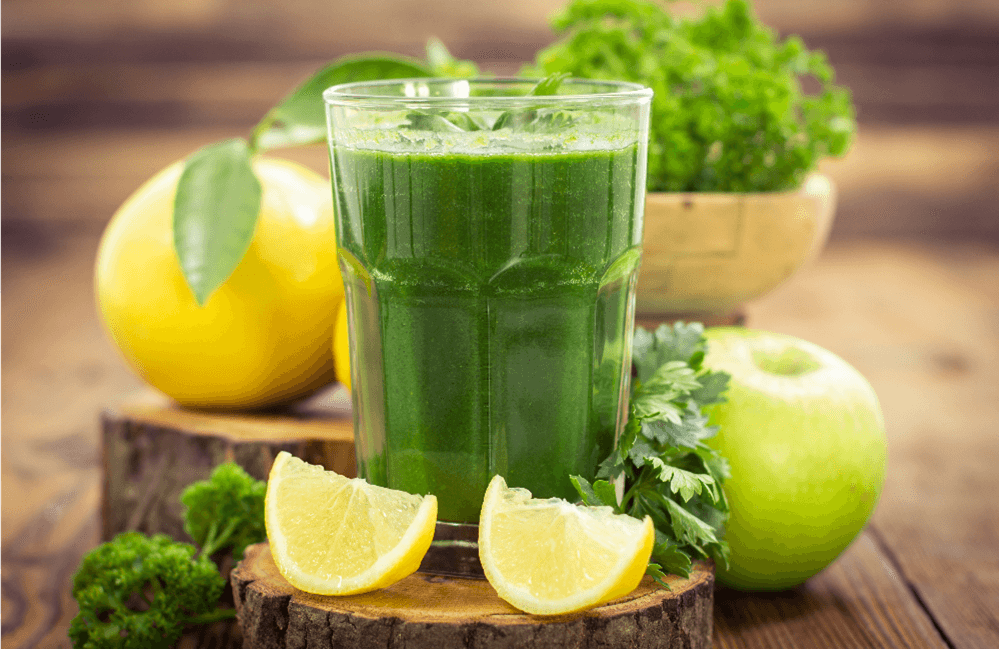
5. Citrus Smoothie with Spinach
Ingredients for 2 servings
- 1 orange, peeled and divided
- juice of 1 lemon
- 40 g baby spinach
- 2 carrots, washed and chopped
- 350 ml unsweetened almond drink
- 1 peach, pitted and chopped
Method: Wash the spinach and fruit, then blend all ingredients. Blend firm carrots for longer and add water if needed. This is a fruit-and-vegetable option, not an equivalent replacement for a protein shake made with dairy or protein powder.
A protein shake as a snack
A protein shake can also be a snack. How filling it is and for how long varies between people. Sweetness does not automatically prevent later cravings. These options combine nuts with dairy or powder.
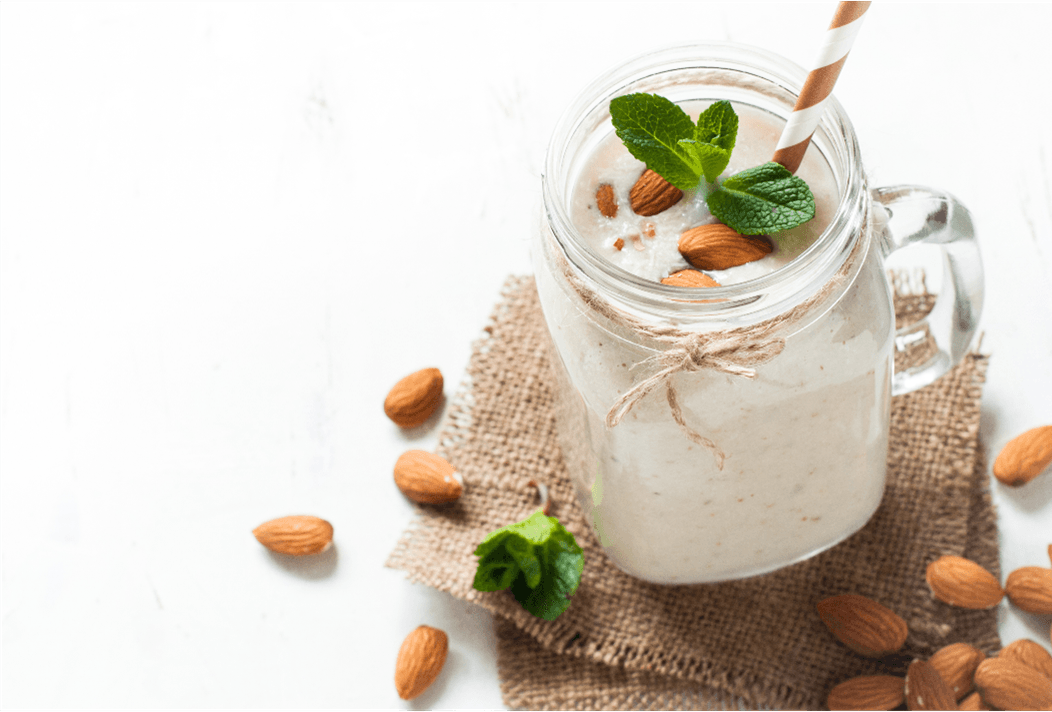
6. Almond Honey Protein Shake
Ingredients for 1 serving
- 300 ml milk
- 100 g low-fat quark
- 1 banana
- 1 tsp honey
- 8 almonds
Method: Blend all ingredients until smooth. A fully plant-based version needs replacements for the milk, quark and honey, for example soy drink, a soy quark alternative and a little maple syrup. Changing only the milk is not enough. The protein content changes with the products chosen.
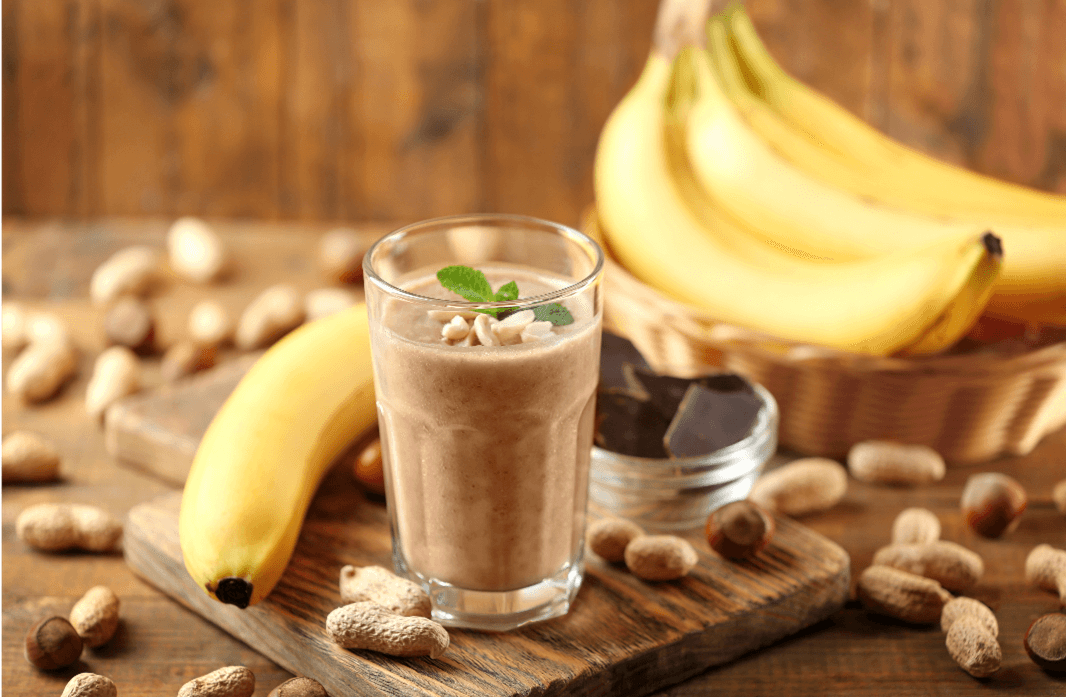
7. Nut Protein Shake
Ingredients for 2 servings
- 200 ml unsweetened almond drink
- 1 medium banana
- 30 g nut-flavored protein powder
- 15 g chocolate protein powder
- 10 g walnuts
- 1 tbsp peanut butter
- water if needed
Method: Blend until smooth and thin with water if needed. This nut protein shake makes two small servings. For a vegan version, check both powders. Nuts and peanut butter are ingredients here, not a guarantee of a particular duration of fullness.
Vegan shakes and smoothies
Every ingredient in a vegan protein shake needs to be plant-based. Check the powder, yogurt or quark alternatives and sweeteners as well as the drink. The following recipes contain no honey. Compare ingredients and nutrition labels on substitute products. [2]
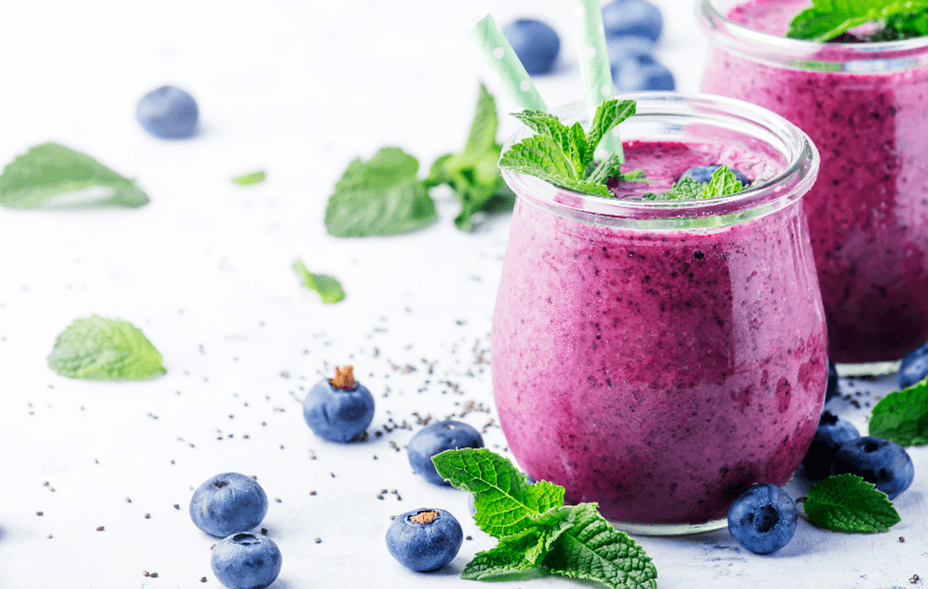
8. Vegan Chia Berry Protein Shake
Ingredients for 2 servings
- 100 g berries of your choice
- 20 g chia seeds
- 20 g shelled hemp seeds
- 300 ml unsweetened soy drink
- 30 g vegan vanilla protein powder
- optional: 1 tsp maple syrup
- water if needed
Method: Let the chia seeds soak in the soy drink. Wash fresh berries; boil frozen berries thoroughly and cool promptly first. Blend with the remaining ingredients. Maple syrup replaces the previous honey, and the powder is explicitly vegan.
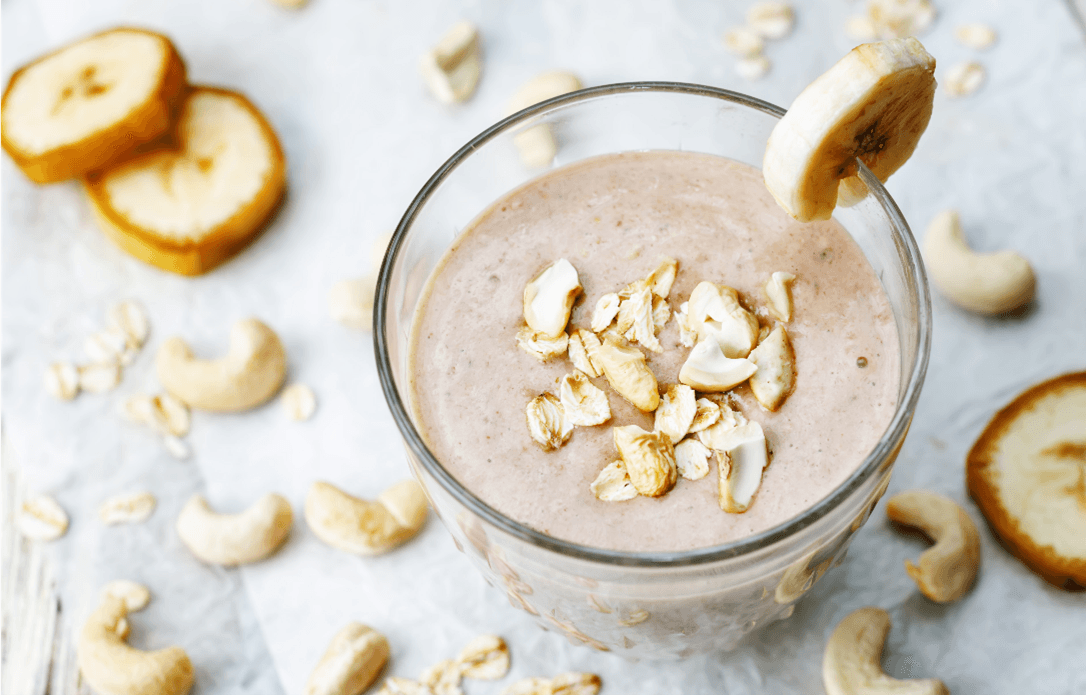
9. Cashew Banana Shake without Protein Powder
Ingredients for 1 serving
- 250 ml unsweetened soy drink
- 1 banana
- 30 g cashew butter
- 20 g shelled hemp seeds
- optional: 1 tsp maple syrup
- 1/2 tsp cinnamon
- 1/4 tsp ground vanilla
Method: Blend until creamy. This plant-based shake needs no protein powder. Soy drink, cashew butter and hemp seeds contribute protein; an exact protein amount cannot be stated without the specific products and serving weights.
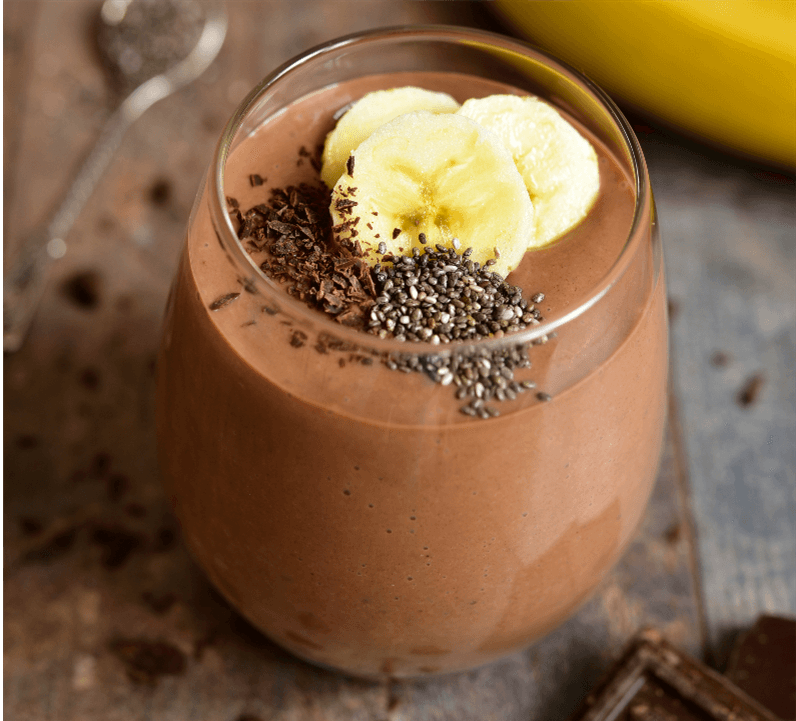
10. Chocolate Chia Shake without Protein Powder
Ingredients for 1 serving
- 250 ml water
- 50 g cashews
- 2 tbsp chia seeds
- 1 tbsp cocoa powder
- optional: 2 tsp rice syrup
- 1/4 tsp ground vanilla
Method: Let the chia seeds soak in the liquid, then blend thoroughly with the remaining ingredients. Add water if needed. A nutty chocolate shake can be made without powder, but it is not automatically equivalent in protein to every powder-based shake.
Where does Daminoc fit alongside a protein shake?
Depending on the recipe, a protein shake supplies protein, carbohydrate, fat and other nutrients. According to the manufacturer, Daminoc Human Amino Code combines all nine essential amino acids with L-arginine. This offers a different, targeted way to supplement these protein building blocks. Essential amino acids must be supplied through the diet. [1, 6]
Conclusion: choose a protein shake that fits
The best protein shake is not the same for everyone. Choose ingredients you enjoy that suit your diet and actually contain the protein source you want. Use these ten recipes as starting points, check vegan ingredients and food hygiene, and treat a protein shake as part of your overall diet rather than an automatic replacement for it. [1, 2, 4]
Sources
[1] DGE: Protein, Referenzwerte und Lebensmittelquellen.
[2] DGE (2025): Pflanzliche Milchalternativen.
[3] König et al. (2020): Proteinzufuhr im Sport, DGE-Position.
[4] BfR: Lebensmittelinfektionen im Privathaushalt.
[5] BfR (2013): Tiefkühlbeeren vor dem Verzehr besser gut durchkochen.
[6] Daminoc: Zusammensetzung laut Hersteller.