
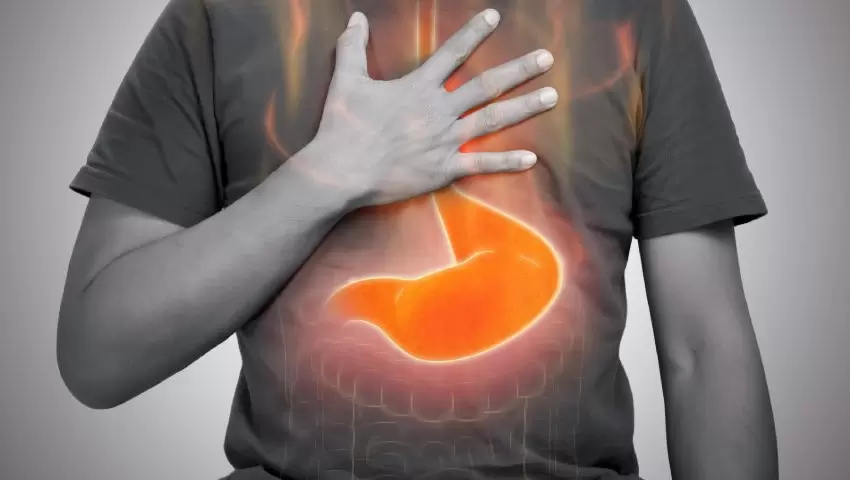
Heartburn and reflux can noticeably affect everyday life. The burning sensation often occurs when stomach contents flow back into the esophagus. What matters is not only the amount of acid, but also whether the barrier between the stomach and esophagus works reliably.
The blanket explanation that reflux is usually caused by too little stomach acid is not supported by the medical guideline. Treatment depends on the actual cause and the symptoms. [1] [2]
Heartburn and reflux: What does GERD mean?
Occasional reflux is not automatically a disease. Gastroesophageal reflux disease, or GERD, is the term used when backflow causes symptoms or complications.
The lower esophageal sphincter and the diaphragm help protect against reflux. If this barrier does not work adequately, stomach contents can flow upward. Excess weight, a hiatal hernia, smoking and certain medicines can play a role. In addition to heartburn and acid regurgitation, symptoms can include coughing or hoarseness, although these can also have other causes. [1] [2]
What role does stomach acid play in digestion?
Stomach acid contains hydrochloric acid. It is not a protein and is not assembled from amino acids. The acidic environment helps unfold dietary proteins and enables the enzyme pepsin to break them down further. Protein digestion continues in the small intestine with additional enzymes. [5] [7]
Amino acids, in contrast, are the building blocks the body uses to make its own proteins. These include many enzymes and structural proteins. This basic function is separate from the question of what causes heartburn and reflux. [6]
What can help with heartburn and reflux?
Proton pump inhibitors, or PPIs, reduce acid production. They can relieve symptoms and help an inflamed esophageal lining heal. They do not simply stop all protein digestion. Whether they are appropriate, and for how long, depends on the diagnosis and the course of the condition. Discuss benefits, possible side effects and the right dose with your treating doctor. Do not replace prescribed medicines with food supplements on your own. [1] [3] [7]
Habits can also help: If you have nighttime symptoms, try to leave at least three hours between eating and lying down. If you are overweight, weight loss with medical guidance may be useful. People with nighttime symptoms can raise the head of the bed. There is no need to eliminate foods across the board; it is more useful to observe personal triggers and discuss them specifically. [1] [4]
Daminoc: Supplementing amino acid intake
An adequate nutrient supply remains important, even when certain foods trigger symptoms. The body must obtain essential amino acids from the diet; it needs them to build its own proteins. [6]
Daminoc® EAA Complex based on the Human Amino Code® provides free amino acids. According to the ingredient list, the blend contains the nine amino acids essential for healthy adults, as well as arginine. Free amino acids do not first have to be released from long protein chains. Absorption through the intestine is still necessary. [6] [7] [8]
Daminoc can therefore supplement targeted amino acid intake when the diet does not provide enough. This is a nutritional role, not a treatment for GERD. If food intake remains restricted over time, the overall diet should be assessed by a qualified professional.
When heartburn and reflux need medical assessment
Frequent, persistent symptoms, or symptoms that continue despite treatment, should be assessed by a doctor. Difficulty swallowing, unintentional weight loss, persistent vomiting or signs of bleeding are warning signs. Do not assume new or severe chest pain is reflux; seek medical help immediately. [1] [2]
Conclusion: Treat the causes and keep nutrition in mind
Heartburn and reflux deserve appropriate assessment and treatment. A diet that meets individual needs supports the body’s nutrient supply; free amino acids can supplement it when needed. Daminoc is a supplement to amino acid intake, not a replacement for reflux treatment.
Sources and scientific context
- [1] Katz et al. (2022): ACG Clinical Guideline: Guidelines for the Diagnosis and Management of Gastroesophageal Reflux Disease. American Journal of Gastroenterology. Guideline on causes, assessment, lifestyle measures and drug treatment of GERD.
- [2] NIDDK: Symptoms & Causes of GER & GERD. The anti-reflux barrier, symptoms and complaints that need medical assessment.
- [3] NIDDK: Treatment for GER & GERD. Benefits and possible risks of antacids, H2 blockers and proton pump inhibitors.
- [4] NIDDK: Eating, Diet, & Nutrition for GER & GERD. Individual triggers, time between eating and lying down, and weight loss for people who are overweight.
- [5] IQWiG (updated 2022): In brief: How does the stomach work? InformedHealth.org / NCBI Bookshelf. Composition of gastric juice and the role of stomach acid and digestive enzymes.
- [6] Lopez & Mohiuddin (updated 2024): Biochemistry, Essential Amino Acids. StatPearls. Essential amino acids as building blocks of the body’s proteins.
- [7] MacDonald et al. (online 2018): Optimising amino acid absorption: essential to improve nitrogen balance and metabolic control in phenylketonuria. Nutrition Research Reviews. Digestion and absorption of free amino acids. The research context is the metabolic disorder PKU.
- [8] Daminoc: Daminoc EAA Complex capsules. Manufacturer’s product information. Product composition. Manufacturer source for the composition.
The sources cover GERD, digestion and amino acid physiology. Manufacturer information is identified as such.