
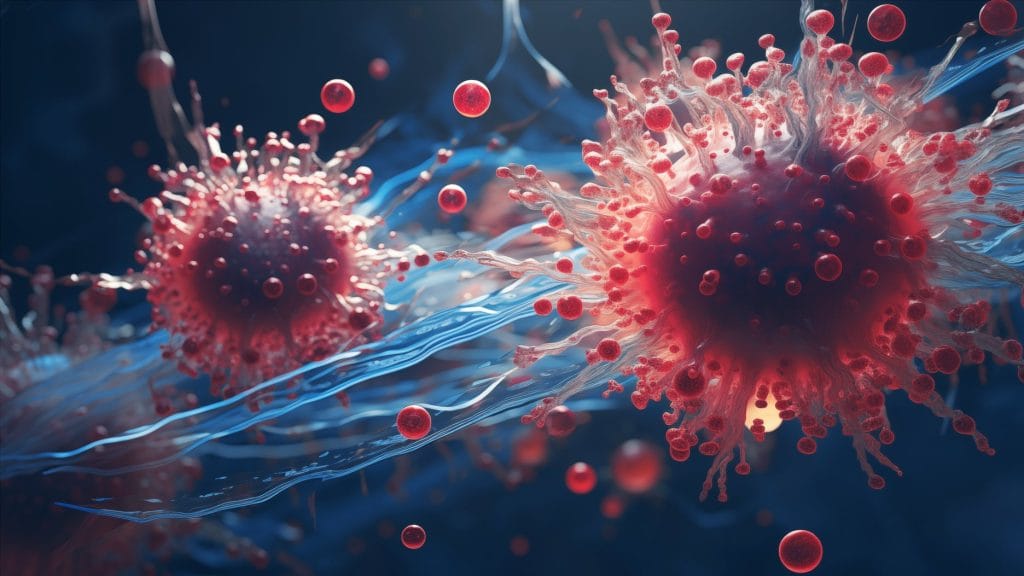
1. Oxidative stress: what you should know
Oxidative stress develops when oxidative processes overwhelm the body’s regulation and defenses. The aim is not to eliminate all reactive oxygen compounds: in appropriate amounts, they carry out important signaling tasks. What matters is a functioning interaction between their formation, protection and repair. [1, 2]
In everyday life, you can support this interaction through a varied diet and health-promoting habits. This article explains the basics, puts antioxidants and adaptogens into perspective, and shows where targeted nutrient supplementation may fit into your nutrition plan. [2, 5, 8]
2. How oxidative stress develops
Reactive oxygen species, or ROS, arise during normal metabolism, among other processes. They include free radicals as well as compounds that are not radicals. The body has antioxidant enzymes, other protective substances and repair processes to deal with them. [1, 2]
When these systems are overwhelmed, oxidative changes to lipids, proteins and DNA can increase. A simple balance between free radicals and ingested antioxidants is therefore an incomplete picture: regulation of signaling pathways and conditions in the individual tissue also matter. [1]
3. What oxidative stress means for health
Oxidative processes are studied in relation to cardiovascular disease, cancer, neurodegenerative disease and aging. This makes them an important research field, but does not explain every disease through a single cause. Observed associations are also not evidence that a particular dietary supplement prevents disease. [1, 2]
Fatigue, concentration problems or other persistent symptoms cannot, on their own, be attributed to oxidative stress. Have such symptoms assessed by a doctor rather than independently deciding to treat them with antioxidants.
4. Putting everyday exposures into perspective
Air pollutants, tobacco smoke and UV radiation are among the influences on oxidative processes being studied. The effect of an exposure depends on the substance, dose, duration and individual situation, among other factors. A blanket division into a dangerous environment and protective supplements does not reflect this. [1, 2]
For drinking water, it is worth checking specific quality data. According to AGES, Austria’s drinking water is extensively monitored and generally reaches consumers in excellent condition. Whether action is needed at a particular connection or private well should be based on local findings, not on a blanket recommendation to use filters. [3]
In the sun, effective UV protection matters: avoid strong radiation, wear suitable clothing and use sunscreen as additional protection for uncovered skin. The German Federal Office for Radiation Protection (BfS) recommends at least SPF 30. A general warning against sunscreen would overlook this protective role. [4]
5. Antioxidants: nutrition as the foundation
Antioxidant defense systems include the body’s own enzymes and substances from food. Vitamin C, vitamin E and various plant compounds are part of this interaction. Vegetables, fruit, whole grains, legumes and nuts also supply other nutrients and fit into a health-promoting diet. [1, 2, 5]
For astaxanthin, curcumin and resveratrol, as for other plant compounds, antioxidant properties in the laboratory are not yet evidence of a particular protective effect against disease in humans. Studies of the specific preparation, dose and intended outcome are what matter. [1, 2]
Supplementation should address a specific nutritional gap or medical indication. High-dose antioxidants are not a blanket preventive measure against chronic disease; some preparations can also cause harm or interact with treatments. If you have a medical condition or take medication, discuss your choice with your healthcare team. [2]
6. Adaptogens: research opportunities and limits
Products sold under the term adaptogens include Rhodiola rosea and mushroom preparations containing reishi, cordyceps or hericium. Possible effects on stress, fatigue, cognitive function and other symptoms are being studied. Results depend strongly on the extract, dose and study quality. [6, 7]
For rhodiola, NCCIH considers the reliable evidence insufficient to assess health benefits with confidence. Mushroom preparations have produced interesting laboratory findings and small human studies; these do not yet support general promises of organ protection or protection against cognitive decline. [6, 7]
Anyone considering such a preparation should check its purpose, ingredients and possible interactions. Natural products can also have side effects. They do not replace necessary treatment, for example for depression. [6, 7]
7. Oxidative stress and healthy aging
Oxidative stress is one part of aging research. Aging processes are complex, however; changes to cells and tissues cannot be reduced to a single mechanism. The sources used here do not support a guaranteed slowing of aging through a combination of antioxidants and adaptogens. [1, 2, 6, 7]
Practical steps with better-supported health benefits include eating a varied, plant-focused diet, being physically active regularly and paying attention to UV protection. These habits provide concrete starting points without promising rejuvenation. [4, 5, 10]
8. Your nutrition plan: targeted rather than blanket supplementation
Good nutritional provision also includes enough protein and essential amino acids. The body needs them to build its own proteins, including enzymes and structural proteins. Protein-rich foods are therefore an important part of a nutrition plan that meets individual needs. [8]
Daminoc® Human Amino Code can be a targeted addition here: according to its published composition, it supplies the nine amino acids essential for healthy adults plus arginine in free form. Its potential benefit lies in adding these protein building blocks to the diet when a person’s food choices do not supply enough of them. [8, 9]
Daminoc is neither an antioxidant complex nor a treatment for oxidative stress. The independent sources cited here do not establish such an effect for the finished product. Choose supplementation to fit your actual nutritional provision; if you have a medical condition or unexplained symptoms, its use should be considered individually. [1, 2, 8, 9]
For everyday life, this means choosing a variety of vegetables and fruit, regularly including legumes, whole grains and nuts, using suitable protein sources and interrupting long periods of sitting with movement. Supplements are targeted additions, not replacements for this foundation. [5, 8, 10]
9. Conclusion: understanding oxidative stress and taking sensible action
Your body has its own protective and repair mechanisms. A diet that meets your needs, physical activity and effective sun protection are sensible building blocks for supporting health. Antioxidants and adaptogens, by contrast, need to be assessed according to the preparation, individual need and available evidence. [1, 2, 4, 5, 6, 7, 10]
Daminoc can complement your nutrition plan as a targeted source of free amino acids. What matters is appropriate nutritional provision and a realistic goal, not a promise to eliminate oxidative processes or aging. [8, 9]
Sources and scientific context
- [1] Dennis, Go and Jones (2019): Redox Systems Biology of Nutrition and Oxidative Stress. Scientific review. Redox signaling pathways, protective systems and limits of simple antioxidant models; not a Daminoc trial.
- [2] NCCIH: Antioxidant Supplements: What You Need To Know. US health agency, July 2023. Nutrition, evidence and risks of high-dose antioxidants.
- [3] AGES: Drinking water. Austrian specialist agency, updated August 10, 2026. Drinking water quality and monitoring; not a statement about every household connection.
- [4] BfS: UV protection with sunscreen. German Federal Office for Radiation Protection. UV protection through avoiding strong radiation, clothing and additional sunscreen.
- [5] DGE (2024): New food-based dietary guidelines. Professional society. Plant-focused food choices, vegetables, fruit, whole grains, legumes and nuts.
- [6] NCCIH: Rhodiola. April 2025. Limited strength of human evidence, side effects and possible interactions.
- [7] Mayo Clinic Press: Do mushroom supplements work? November 12, 2026. Physician-reviewed overview of reishi, cordyceps and hericium; not a systematic meta-analysis.
- [8] DGE: Protein and essential amino acids. FAQ based on the 2025 reference values. Roles of protein, nine essential amino acids and individual nutritional provision.
- [9] Daminoc: DAMINOC®10 PURE EAA HUMAN AMINO CODE®. Manufacturer product information. Used only for composition and free form, not for the broader advertising claims.
- [10] DGE: Stay active and watch your weight. Professional society. Health-promoting everyday movement and breaking up long periods of sitting.
The independent sources discuss redox biology, nutrition, lifestyle and individual preparations. They are not clinical evidence of efficacy for the finished Daminoc product. Manufacturer information is identified as such.